
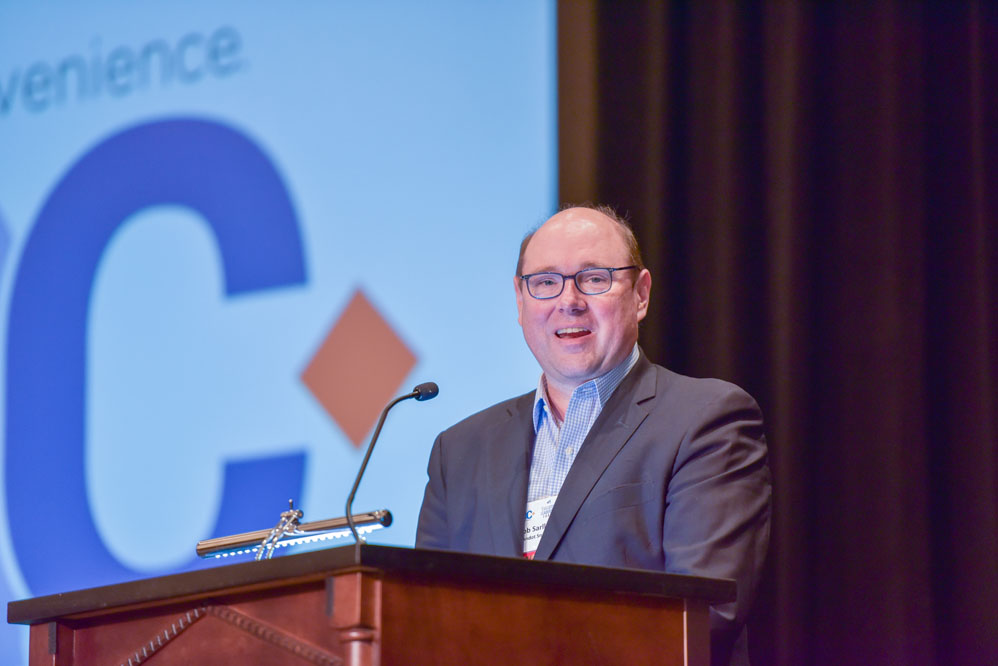
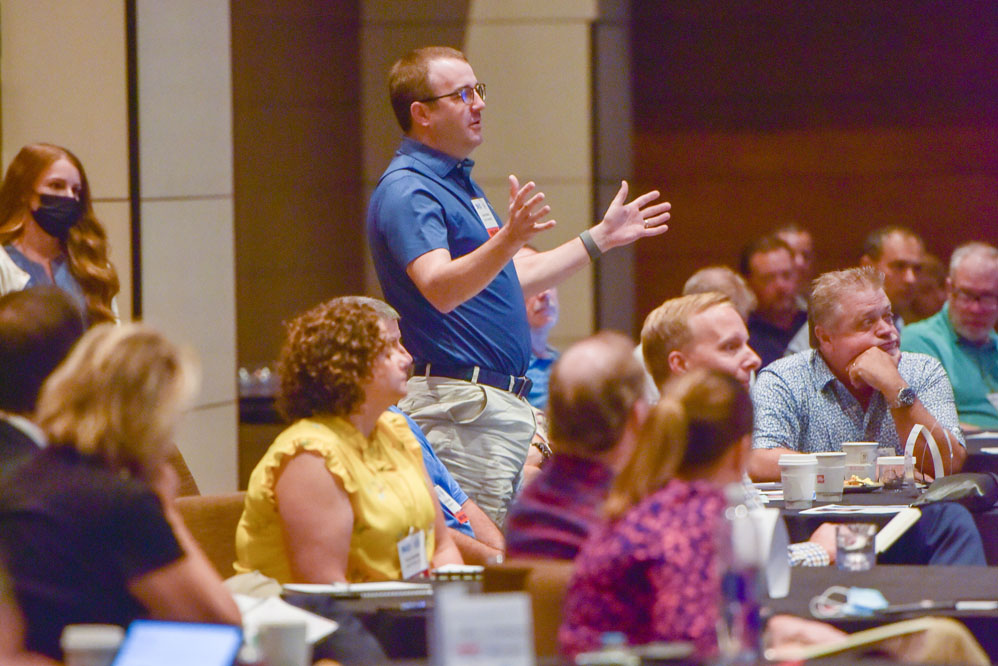
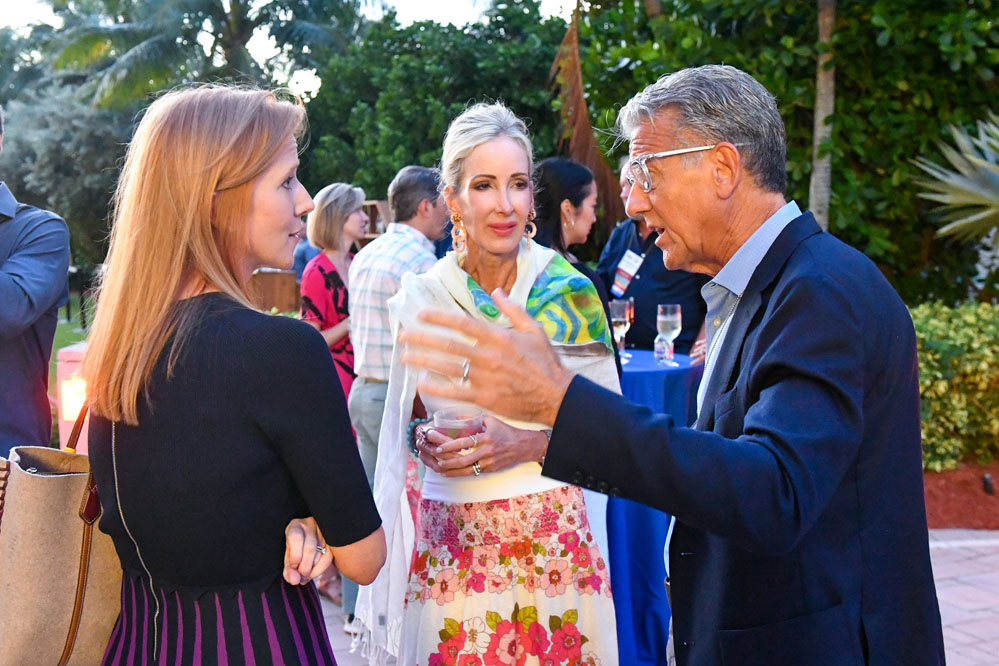
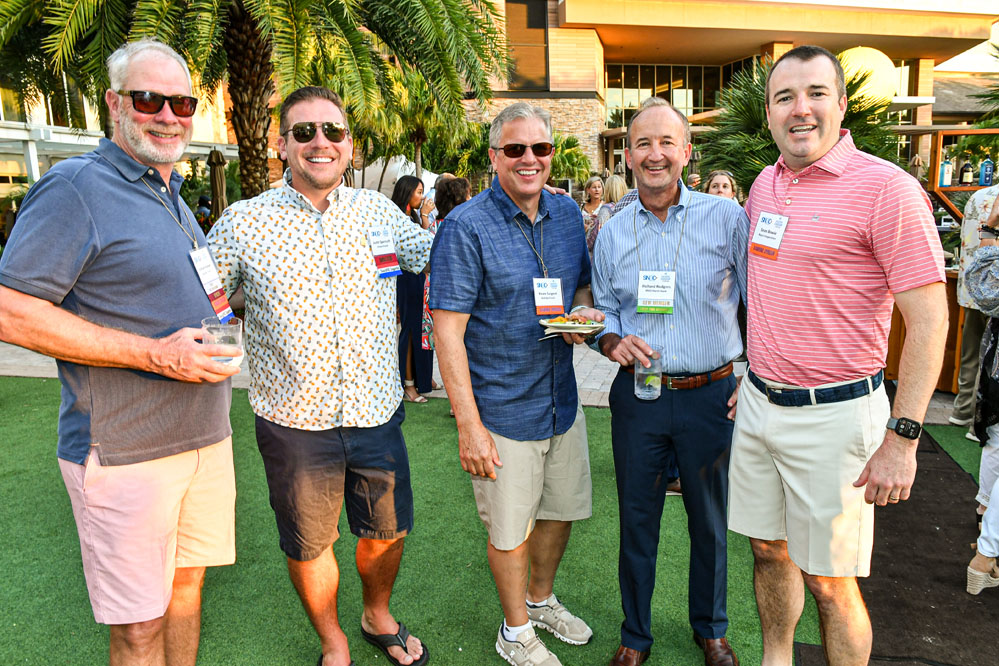
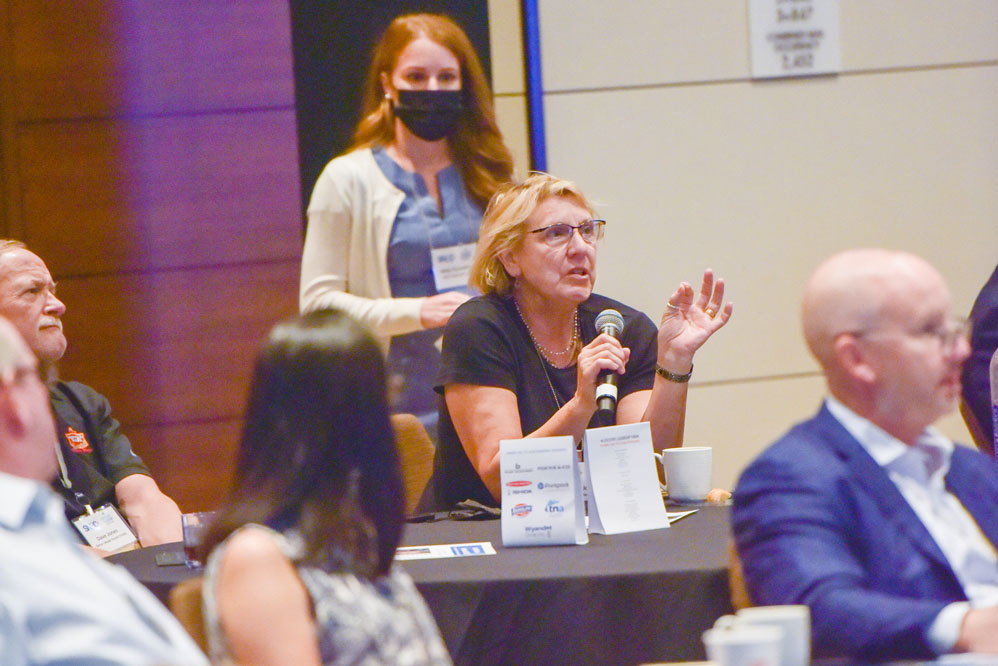
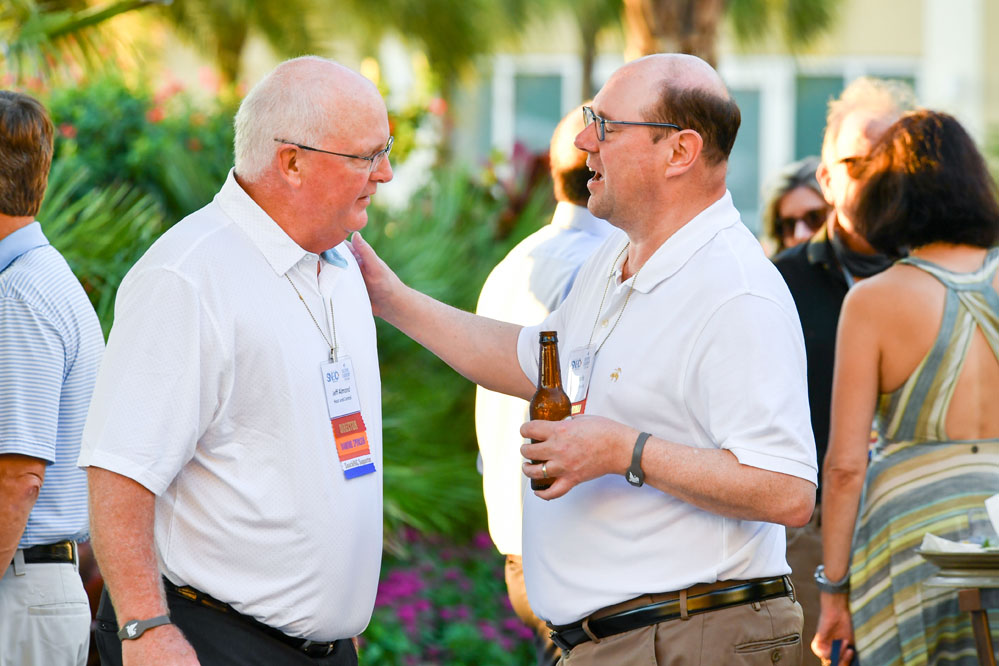
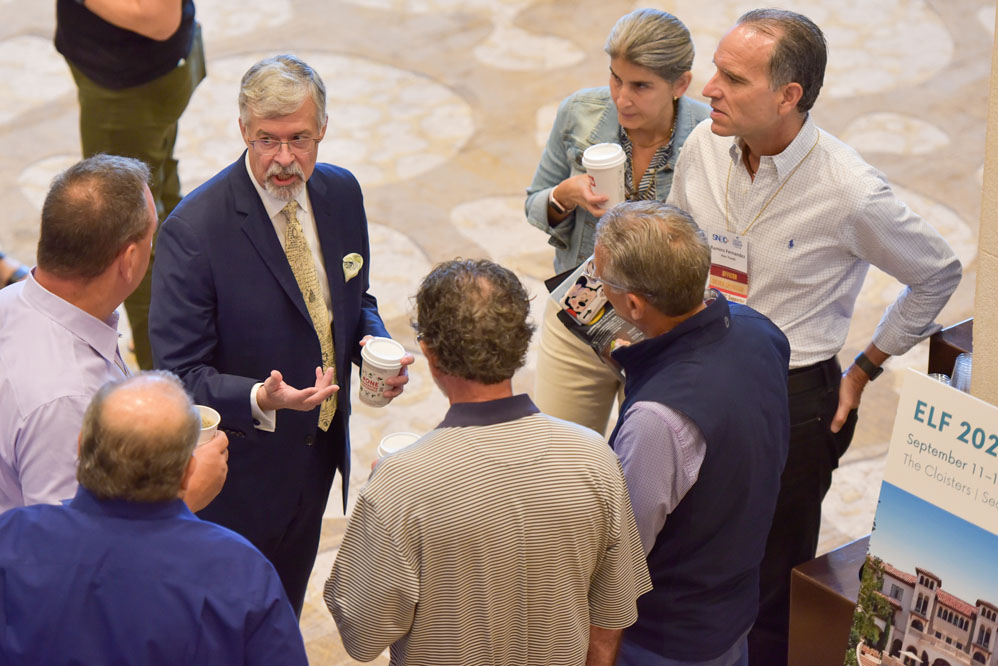
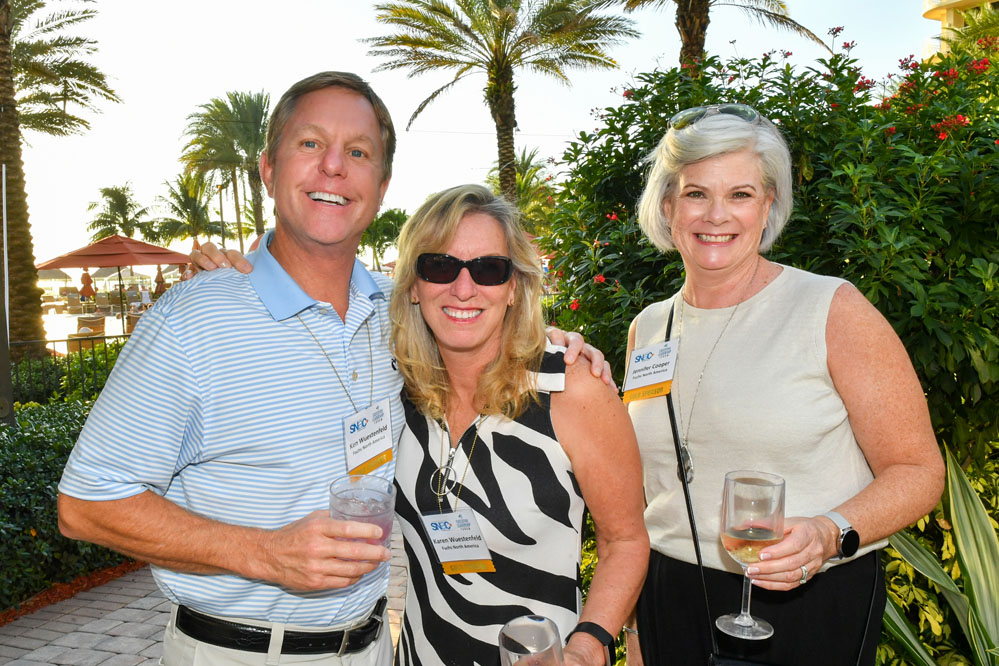
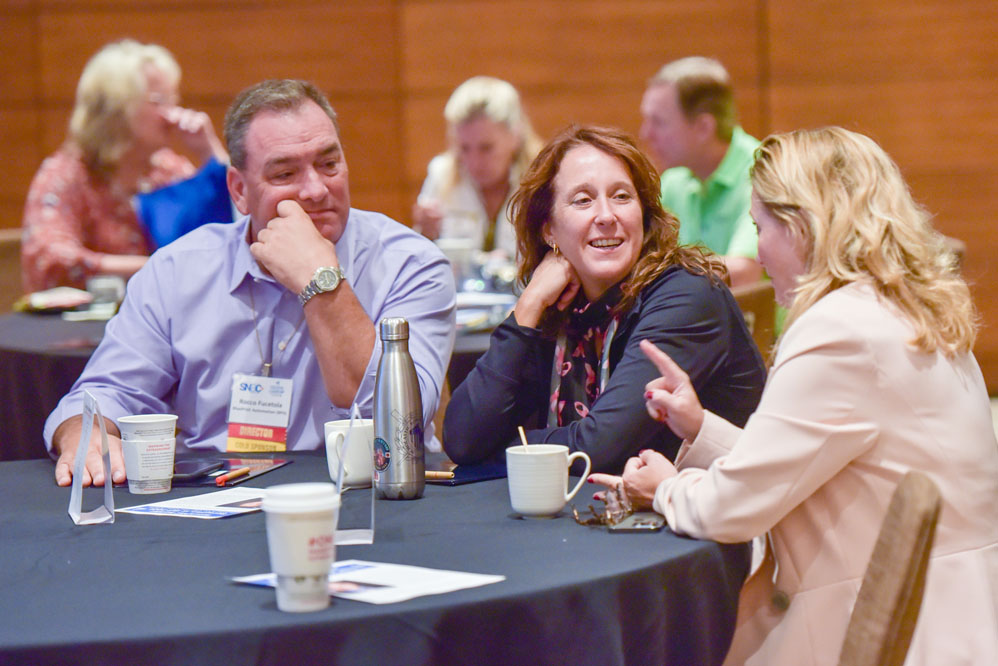
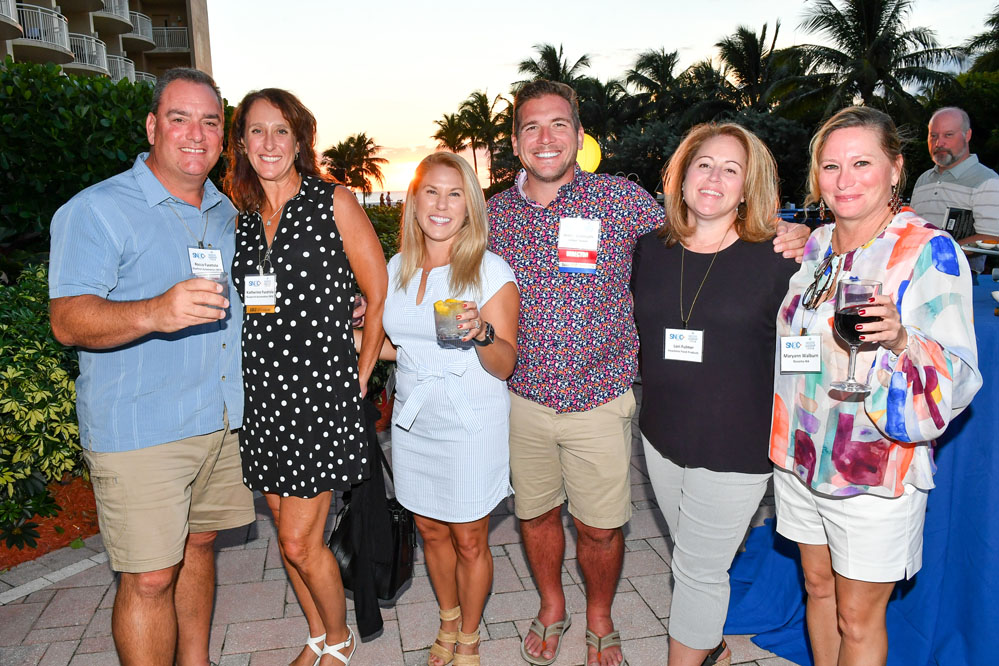
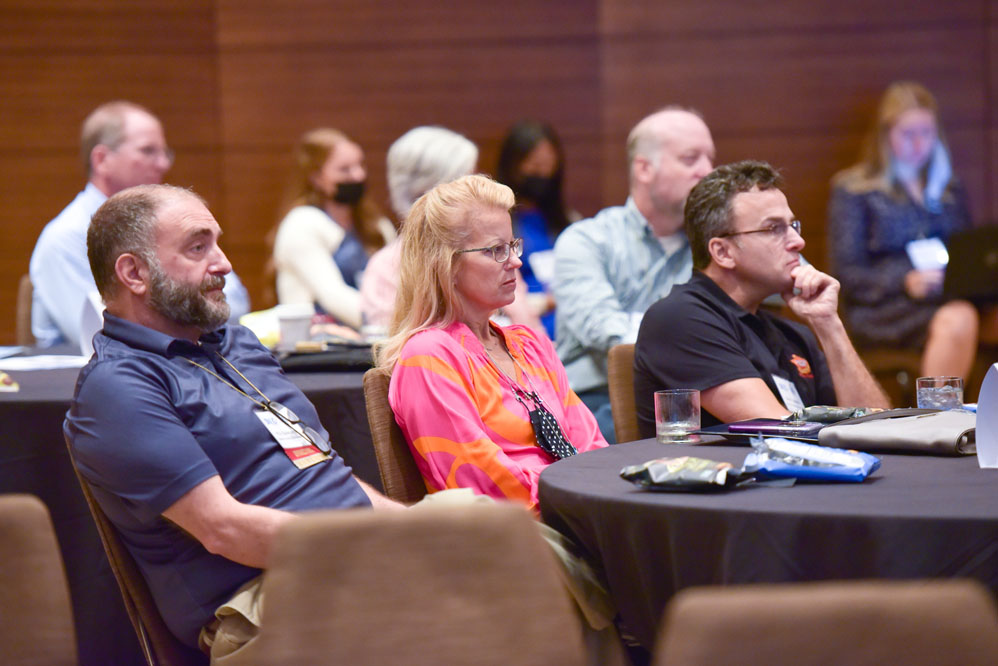
From October 17-19, over 110 snack industry leaders and guests gathered at the JW Marriott Marco Island for 2.5 days of education and networking. ELF 2021 helped SNAC members navigate through the crisis by presenting unique perspectives on ESG goals, economic forecasts, winning the war for talent with inclusion, and focusing on purpose. The program featured an all-star lineup of speakers including Jeff King, Sr. Dir. Global Sustainability, Hershey; Venessa Yates, Merchandising Vice President, Snacks, Walmart; Dina Reagan, Sr. Dir. R&D – Salty, Campbell Snacks; John Boehner, Former Speaker of the U.S. House of Representatives, and many more. Keynote speaker David Feherty, NBC/Golf Channel Commentator, rounded out the program on Tuesday by showing how he uses humor to manage mental illness and addiction challenges. Thank you to our sponsors for making the successful event possible.






Below recap excerpted from coverage by Baking & Snack’s Dan Malovany, here.
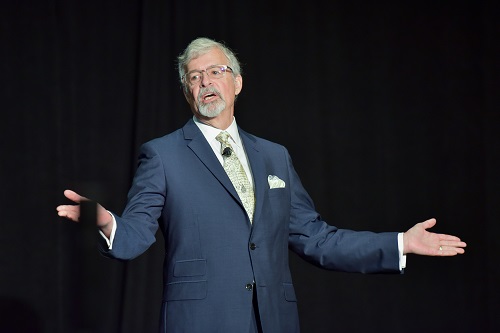
Brian Beaulieu kicked off ELF’s executive education by discussing how the current labor shortage may not improve any time soon.
“This labor shortage is going to last through the rest of this decade,” he said. “We’re not all of a sudden going to be able to manufacture people, and I don’t think we are going to allow immigration to mitigate our problems.”
Beaulieu admitted he had no explanation for the labor shortage, but at the same time, the data have been showing a significant level of unemployment. He was confounded as to why people don’t want to return to work for snack and bakery operations, or manufacturing operations in general.
His observations are much different from his predictions two years ago, when labor and supply chain difficulties were much different. At ELF two years ago, ITR Economics’ research predicted that the economy may decline in 2023.
“That will be the worst business cycle experience that you will have to go through since the Great Recession of 2008 and 2009,” he said at the time. “It is not going to be pleasant.”
Today, ITR has moved its recession predictions to late 2025 or 2026, and that means good news for snack producers and the manufacturing industry in the meantime.
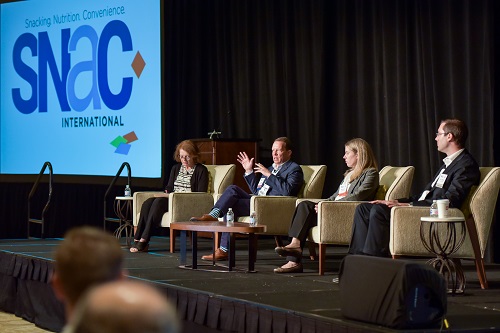
When discussing ESG priorities, it’s often difficult for companies to decide which initiatives to take-on without feeling the overwhelming pressure to try to single-handedly save the world.
Jeff King opened the discussion by talking about how Hershey leans heavily on a process called materiality, where the company’s leaders talk to internal and external stakeholders to hone in on what greater social, environmental and societal issues Hershey can prioritize.
The panelists agreed that it is important to zoom in on your company’s specific goals and define what sustainability means to your team. Alicia Sexton, Senior Sales Manager, Wyandot Snacks expanded on this idea by referencing how Wyandot went about defining and quantifying the company’s goals.
“We really didn’t have the means to quantify how this stuff is going to take us to the next level. How is this going to guide us to the future? And we really struggled for many years on what sustainability means. How do we mesh these hard and straight forward metrics with the people side of it?” Sexton asked. “We discovered the B Corp certification at a food show and thought about it, but then set it aside. When we looked back at B Corp and a lot of the other initiatives that we had been doing over those two years, like supply chain, transportation, and warehouse, a lot of those funneled into what B Corp certification is. We didn’t know what questions to ask ourselves and what questions we can improve on, so it became a means to tell us where we are, where we can improve and where we can move forward.”
Jeff King discussed how to analyze the various external pressures companies are facing to change. While NGO’s and activists have always been applying pressure, shareholders are now holding companies accountable and asking more questions in the past 6 months than they have in the past 6 years. King also expanded on the mounting pressures from the local and federal government, including Extended Producer Responsibility bills gaining momentum across the country and recently passing in Oregon. In the near future, King believes all flexible packaging suppliers will be forced to take monetary responsibility for their consumer waste.
“This pressure will start to hit everyone,” King said. “I haven’t even gotten to how customers like Walmart and Target have their goals who are starting to put pressure down. And then there’s the consumer – who’s actually a lagging indicator I think in this space. Consumers say they want it [sustainable packaging], but there’s still a little bit of a ‘say-do’ gap when they spend their money, but that will come in time. If you think about all the other pressures I said, it just adds up in the consumer’s consciousness. We’re starting to do this layering effect where all of the areas I said are going to affect everyone in this room somehow.”
Paul Stanley emphasized how companies must foster diversity to create a culture of innovation.
“Wells Fargo has something called ‘Loudspeaker’ where employees can submit what we can do differently and where we can do better. Every item either has to get actioned with a task force or with a senior leader and employee, or it can get stalled for a period of time with an understanding of why it’s being stalled,” Stanley said. “You never know where your best ideas are going to come from within your organization. You need to foster a culture of innovation where folks are able to speak up.”
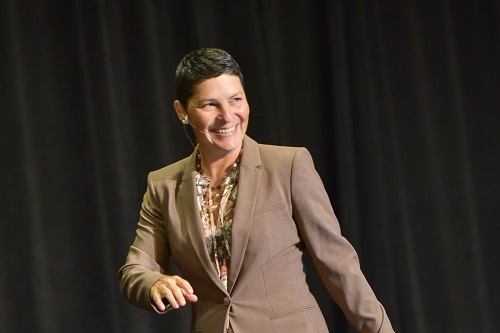
After growing up in a Mexican orphanage with 68 brothers and sisters, Magie Cook emigrated to the U.S. on a basketball scholarship. Following college graduation and not being able to find a job, resourcefulness, resilience and relentlessness propelled her from homelessness to the creation of a multi-million dollar salsa business that eventually sold to Campbell’s.
In the current challenging labor market, Cook emphasized that “we have to become the type of companies that create change and inspire our teammates to work for us.” According to Cook, inspiring your team from within comes down to how much you care for your people, and how much their work reflects their values and their “why”. People will bring their best selves to work when they truly care about the company mission and when you cultivate a contagious fervor for the work.
Nourishing a healthy mindset is another one of Cook’s tips for success. In 2005, the National Science Foundation came out with a study detailing that the average person thinks between 12,000 and 16,000 thoughts per day. According to the study, 90% are negative and 85% are the same repetitive thoughts as the day before. To combat this, Cook’s first step for creating a productive mindset is internal motivation and cultivating self-belief by repeating to yourself: “if not this, then something better.”
Cook highlighted how resourcefulness is realizing that you already possess all of the tools to fulfill your dreams. Everything you need is already inside of you, and you just have to nurture your mind and redirect your negative thought patterns. When Cook first started reaching out to retailers, she received 90 “no’s”, but her relentlessness got her the one “yes” from Whole Foods that turned her life around.
“Every single day we have two choices,” she said. “We either let life control us or we take control of our lives.”
Below recap excerpted from coverage by Baking & Snack’s Dan Malovany, here.
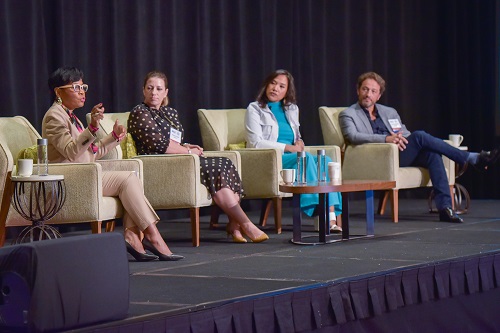
Although the term was coined more than two decades ago, the “war for talent” is coming to fruition as companies struggle to find skilled employees. To win the battle, businesses need to develop a culture of openness, diversity and inclusion that will help them attract and retain qualified people in their organizations.
That’s the advice shared by a panel moderated by Cathy Harrell.
Venessa Yates pointed out that employees now have more choice in where they look, and many of them are demanding to work for businesses that share their personal values and provide more than a paycheck.
Companies that are just beginning to engage in diversity and inclusion, she added, are finding themselves behind other organizations in the hiring process.
“We can talk a little bit about the pandemic if we really want in terms that it has accelerated that need and that demand, but I think it’s just more that we have a population and a generation of potential employees and associates who are demanding something different,” Yates explained.
Dina Reagan recommended that snack manufacturers look for candidates from different cultural backgrounds and create a safe working environment where people can express themselves and ask questions, even if there aren’t answers immediately available.
“Take a risk on the individual and help them, and I promise you it will be a two-way street,” she said. “You will gain as much, if not even more, from that relationship, and you will see the output of the individual soar. So, it’s super critical now on the war for talent. You want to be able to retain who you have and attract a diverse slate of candidates.”
Venessa Yates added that companies may need to go beyond recruiters who serve a purpose in providing a narrow pool of potential candidates and even search on LinkedIn to broaden their quest for talent.
All too often, Reagan said, businesses look for candidates who are a “cultural fit,” a term she avoids because it encourages assimilation, inherently limits the pool of qualified employees from a diversity and inclusion standpoint and allows for unconscious bias to enter the search and hiring process.
Pierre Trippitelli urged ELF attendees to “lead from the front”.
Diversity and inclusion, he added, needs to start at the top to effectively change the culture of any organization.
“If the leaders are not taking it seriously and just talking and not acting,” he said, “it’s never going to work.”
Below recap excerpted from coverage by Baking & Snack’s Dan Malovany, here.
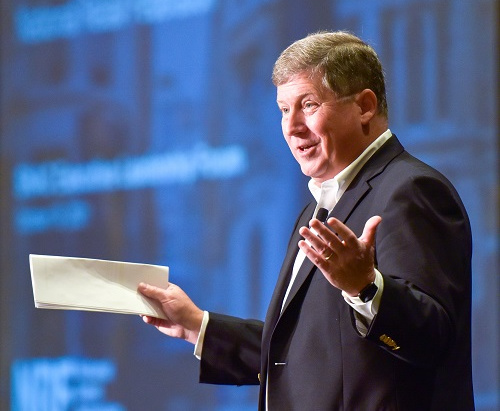
With the onslaught of government payouts and unprecedented fiscal and monetary stimulus over the past 18 months, consumer spending remains strong, even above pre-pandemic levels, while personal savings rates are at or near record levels. That’s the good news from David French.
“The American consumer is in a really good place,” he said. “Household net worth is at an all-time high.”
French added that the National Retail Federation foresees strong growth and continued momentum for the broader retail industry through 2021. Even apparel, furniture and other retail sectors that got hit hardest by the initial lockdowns during the early stages of the coronavirus (COVID-19) pandemic in 2020 have rebounded as retail sales grew at the highest rate in 20 years.
Retailers have benefitted from consumer spending, which has grown each month, year over year, since May 2020.
“If the story of 2020 was about excess stimulus,” he said, “the story of 2021 is about more excess stimulus plus the rollout of the [COVID-19] vaccine.”
The downside, however, is that retailers, snack manufacturers and almost every other company face several challenges.
“It’s fair to say that the road to recovery is not without its hurdles,” French said.
Currently, he noted, there are about 1.1 million retail job openings, even before the peak holiday shopping season approaches.
“We’re growing so fast that it’s hurting,” he said.
Supply chain issues, he added, are another global concern that’s not going to be resolved anytime soon.
In fact, the entire chain seems to be affected by issues ranging from a lack of container availability and ocean carrier capacity, to a lack of warehousing and a shortage of truck drivers to get goods to retail stores or delivered to consumers.
“Supply chain disruption is the other big factor in how much growth is killing us,” he said. “Worldwide supply chain disruptions due to the pandemic have slowed imports in the U.S. and increased costs, which is a key factor in underlying inflation.”
While the United States has the lowest vaccination rate of G-7 countries, which is a group of seven of the world’s most advanced economic nations, the U.S. rate continues to rise, and that’s good news for retailers.
“The continued uptick in the vaccination rate will strengthen consumers’ ability to return to normal shopping behaviors,” French said.
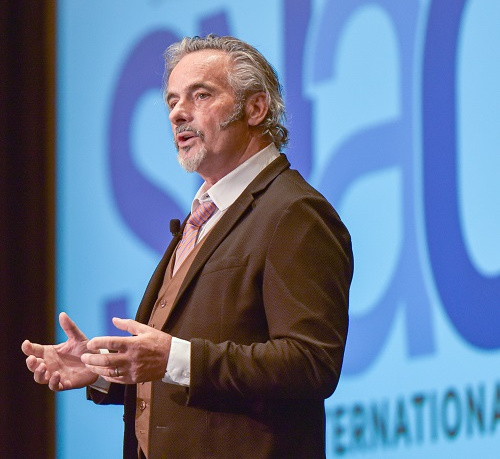
David Feherty wrapped up ELF’s educational program and delighted attendees with a comedic take on golf and his tumultuous past of overcoming substance abuse. Through interviewing hundreds of celebrities and pro athletes, Feherty found that those who are most successful always embraced being uncomfortable.
Feherty shared insights on how he managed his mental health challenges by leaning on the support of his wife, children and close friends. Using humor, he lifted himself out of a dark place of self loathing where he was coping with drugs and alcohol.
Feherty credits his sense of humor to his parents and the unstable environment he grew up in just outside Belfast, Northern Ireland in Bangor, County Down. Fehrety described growing up during the height of The Troubles where there were regular bombings, terrorist attacks, riots and protests.
Feherty became a professional golfer in 1976 and spent the majority of his career in Europe, and spent 1994 and 1995 playing on the PGA Tour in the U.S.
In 1997, Feherty was an on-course reporter and analyst, and in 2011 he debuted his Golf Channel talk show “Feherty”, interviewing guests such as Bill Russell, Matthew McConaughey and Bill Clinton. When asked who his favorite guest was, he answered Tom Watson, and shared how Watson helped him find sobriety.
Feherty closed by reflecting on what makes a successful person, and how being in front of the spotlight performing comedy shows has helped him embrace being uncomfortable and vulnerable.
“The one thing that everyone who I interviewed had in common, whether they were actors, musicians, athletes, business people or politicians, they were all successful people because they wanted to be in a place where they knew they wanted to be uncomfortable.”

SnackPAC was pleased to host special guest John Boehner at the 2021 Executive Leadership Forum Insider Reception. Boehner explored his recent book, On the House: A Washington Memoir that recounts his life from growing up with 11 siblings in a two-bedroom house, to becoming a U.S. Congressman and eventually serving as the Speaker of the House. An unabashed fan of red wine and golf, Boehner gave an uncensored account of his experiences in Congress, emphasized his belief that we can disagree without being disagreeable, and provided colorful thoughts of the current state of politics in DC.
SnackPAC, the sole federal political action committee representing the snack industry, is funded by the voluntary contributions of SNAC members and supports candidates for political office who understand the broad array of issues facing the snack industry.